
The bdsnl online learning ecosystem: from coursework to professional practice
Explore subject-specific BDSNL learning platforms for land and real estate education, connecting coursework, data analysis, GIS, valuation, digital marketing, simulations and practical activities.
TEACHING · DIGITAL LEARNING PLATFORMS
BDSNL Online Learning Ecosystem
Connecting concepts and data with hands-on practice, collaboration and professional learning in land and real estate.
In real estate education, conceptual knowledge gains value when learners can obtain information, validate data, analyze scenarios and explain their decisions. BDSNL brings together several subject-specific learning environments, from market analysis and valuation to GIS, digital technology and professional practice.
An educational approach
Each platform has its own features and access rules. Their common link is a practice-oriented teaching approach; this does not mean that all platforms automatically synchronize data.
01 Featured learning environments
Real Estate Market — learning through tasks and experience
The platform combines supply and demand, pricing, market segmentation and market dynamics with task-based activities. Students can explore lessons, practice skills, work in groups and reflect on outcomes in simulated situations.
The image below shows the public introductory page of the platform.
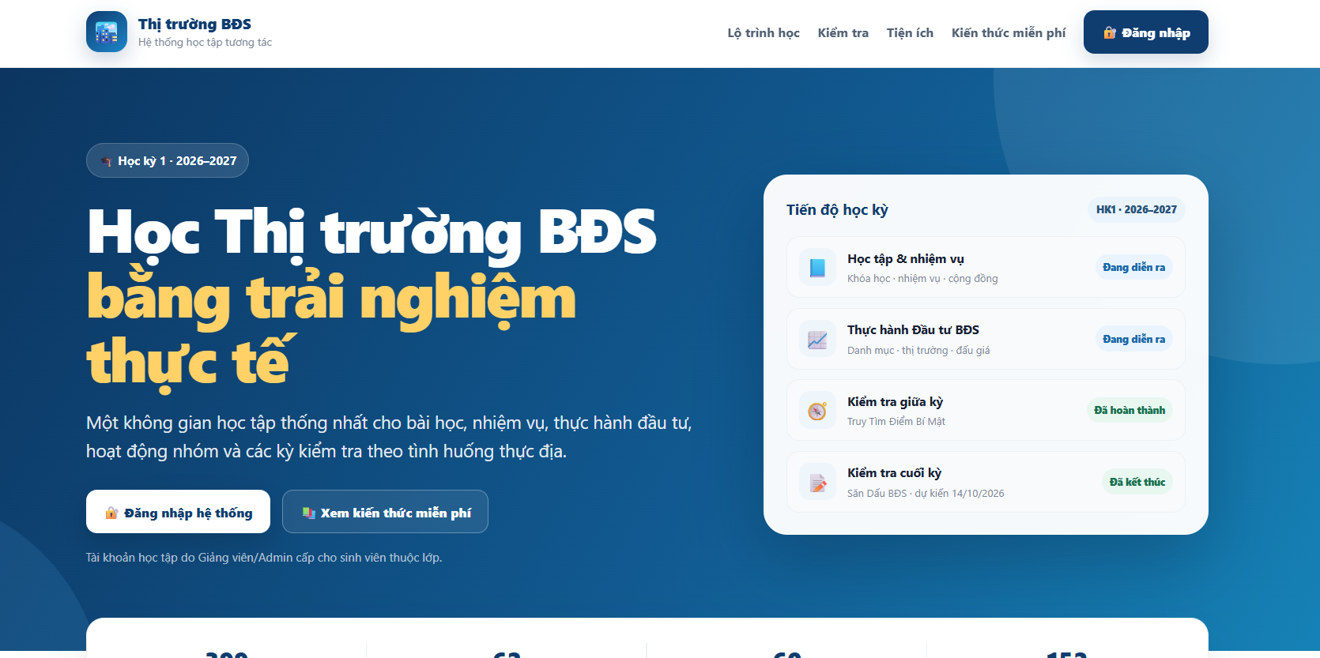
Figure 1. Public introduction page of the Real Estate Market course (Vietnamese interface).
Real Estate Market Analysis — from evidence to interpretation
The focus is on framing questions, checking data quality, interpreting supply and demand, and presenting well-supported market conclusions. The platform also introduces BDS Venture, a simulation in which participants explore how capital, property choices and market events can affect outcomes.
Simulation activities support learning; they are not substitutes for risk assessment or real investment decisions.
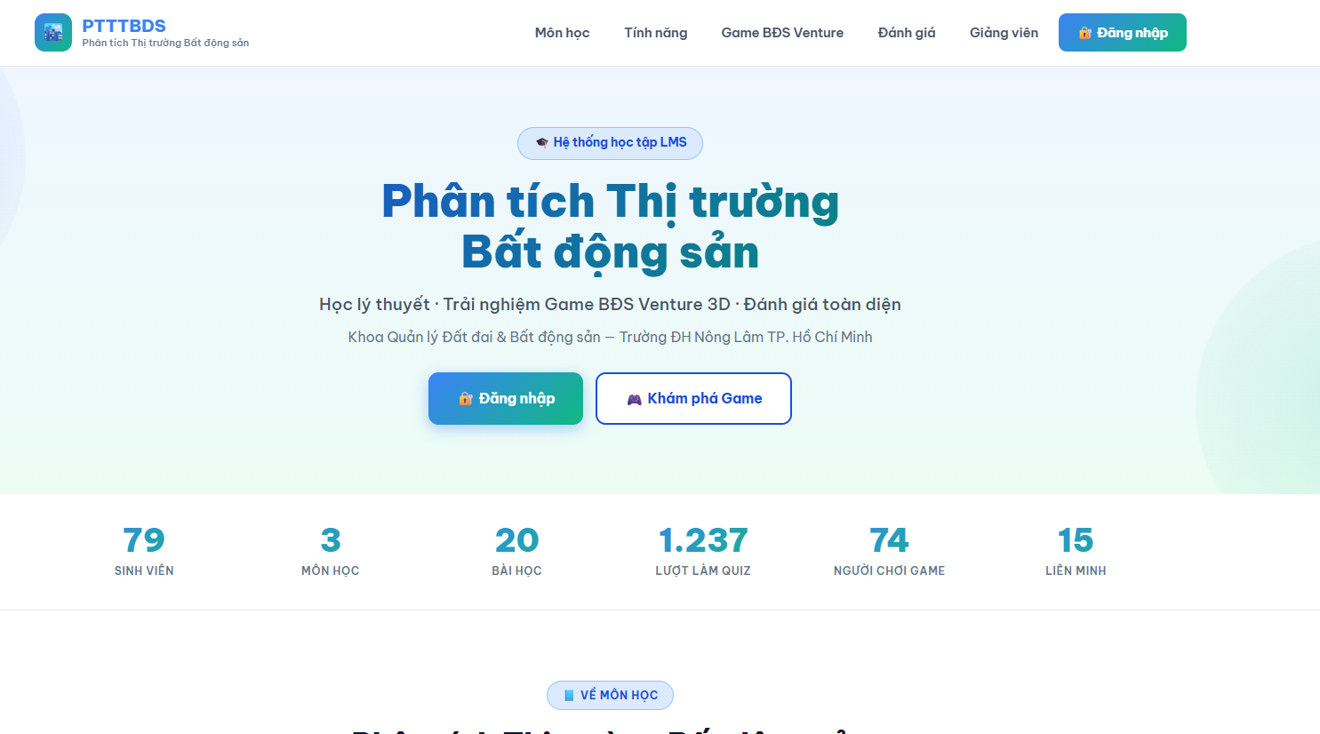
Figure 2. Public introduction to the Market Analysis platform.
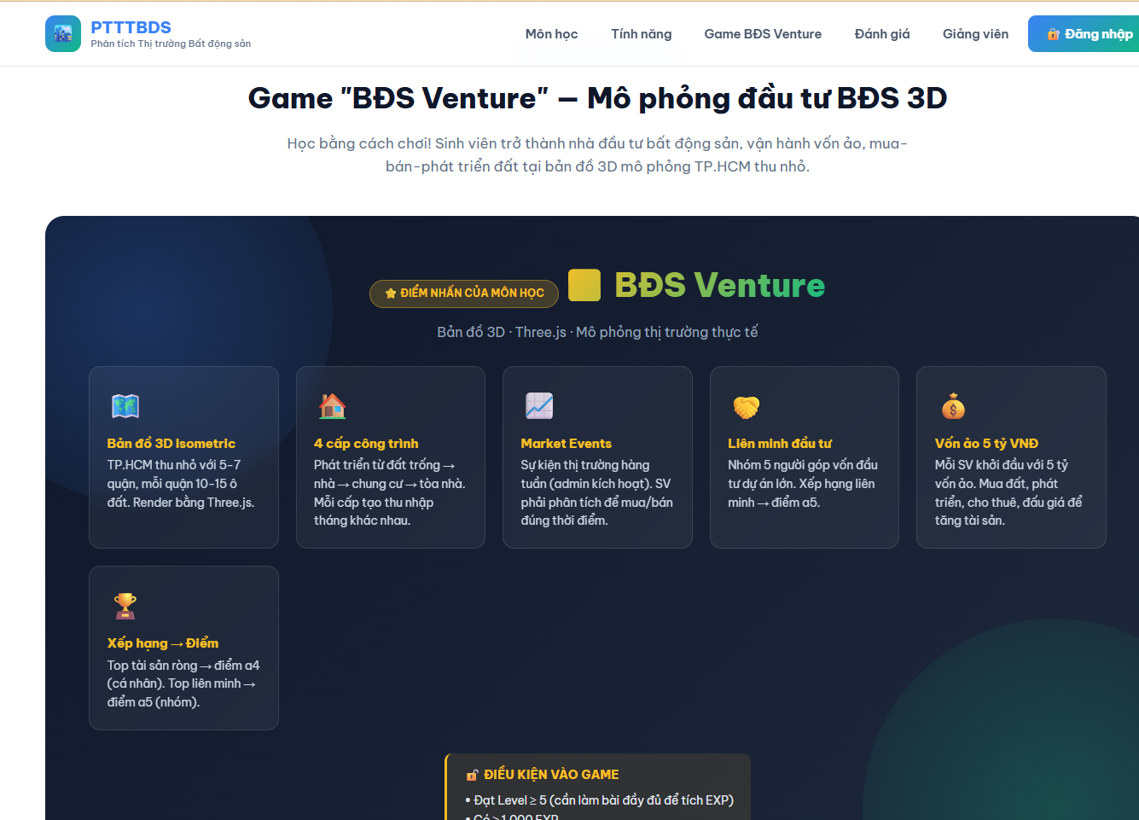
Figure 3. BDS Venture simulation introduced within the course.
RIS — from maps to real estate information systems
RIS provides a learning environment for spatial datasets, cadastral maps, databases, GIS and WebGIS. Students explore spatial-data workflows and specialist tools while practicing coordinate, attribute and data-consistency checks.
An attractive map alone is not sufficient: the source, processing workflow and practical usefulness must also be explained.
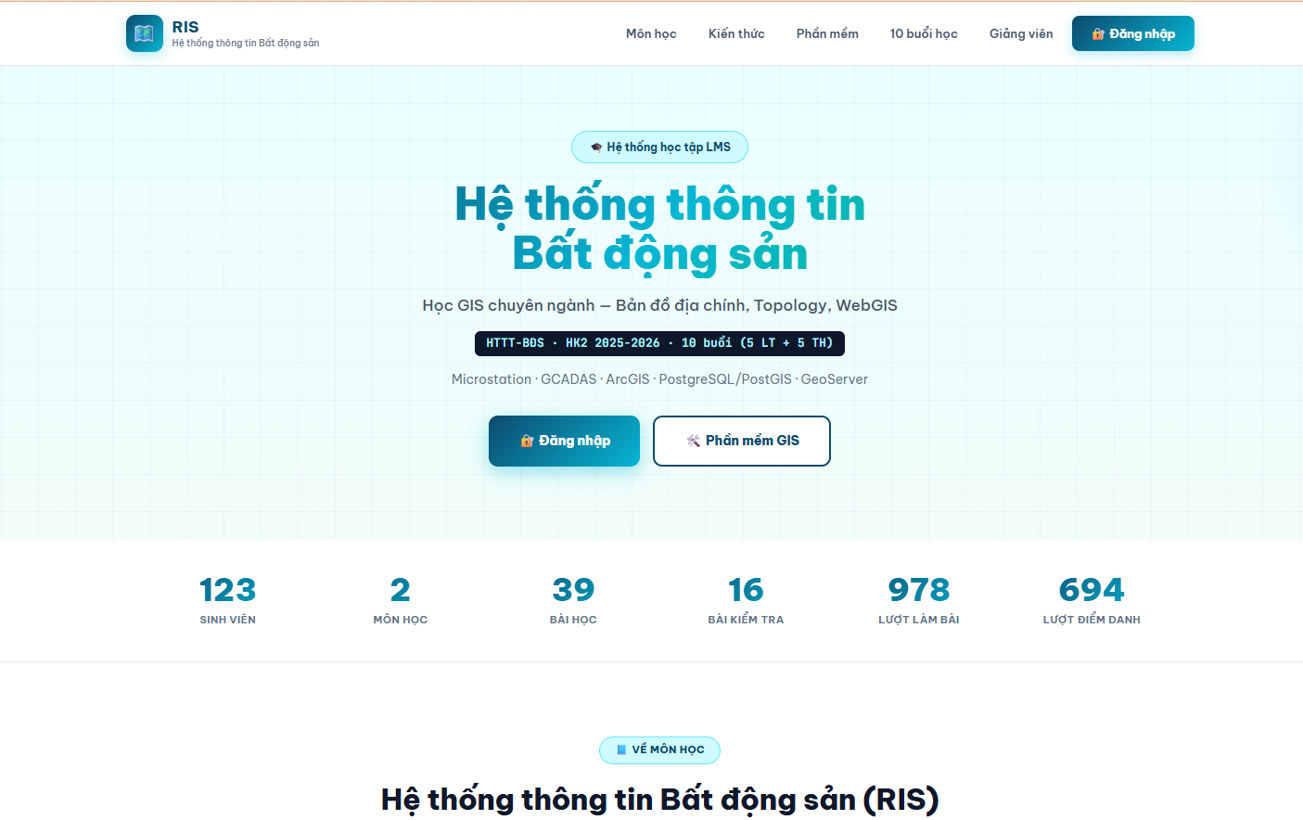
Figure 4. Public introduction page of RIS.
Real Estate Feng Shui — traditional frameworks and critical interpretation
This learning environment organizes concepts such as the Eight Trigrams, 24 Mountains, 60 Jiazi, compasses and landforms, together with topic-based learning activities. Students should place traditional frameworks in their cultural context and recognize their limitations.
Feng shui does not replace legal due diligence, planning checks, engineering safety or market evidence.
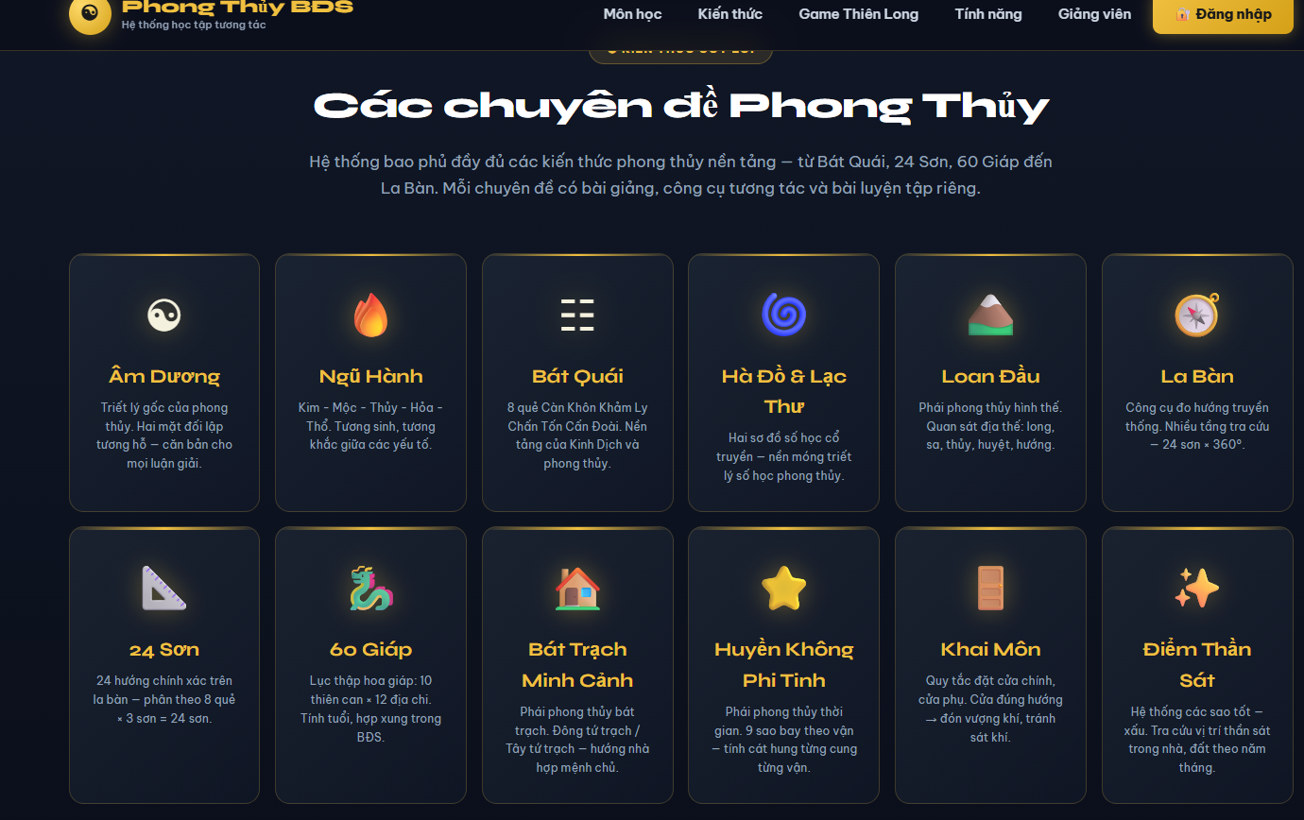
Figure 5. Selected topics on the public Real Estate Feng Shui website.
02 Additional learning and practice platforms
The ecosystem also includes other specialized tools that extend learning across different professional tasks. Each link opens the respective platform.
LREV — Land and Real Estate Valuation
Explore bases of value, market evidence, valuation approaches and reasoning behind conclusions.
BDS Tech V2 — Applied Real Estate Informatics
Connect digital tools with data processing, visual presentations, modeling and practical outputs.
DREM — Digital Real Estate Marketing
Study digital content, SEO, social media, CRM and performance measurement.
Professional Practice — fieldwork and surveys
Practice field market surveys, data collection and validation; some functions may require a course account.
03 An illustrative evidence-based learning journey
For a project asking “What factors affect residential prices in a selected area?”, students may organize the work as follows:
- Frame the problem: Define the geographic scope, market segment and price concept.
- Collect and prepare: Record sources, dates and measurement units; assess data reliability.
- Analyze: Select market, statistical or GIS methods appropriate to the question.
- Communicate and review: Compare findings, state assumptions and explain limitations.
04 Further learning and community
The BDSNL knowledge portal offers subject-specific resources and articles. RealConnect supports student discussions about learning, technology and professional practice. Some coursework, class data and internal functions require authorized accounts.
Important note
This article reflects the platforms at the time of writing. Interfaces and access requirements may change. The illustrative screenshots show the actual Vietnamese interfaces of these applications.